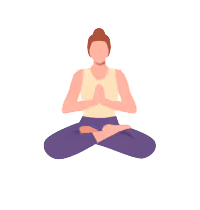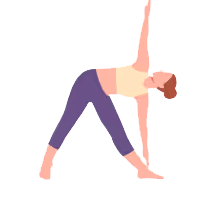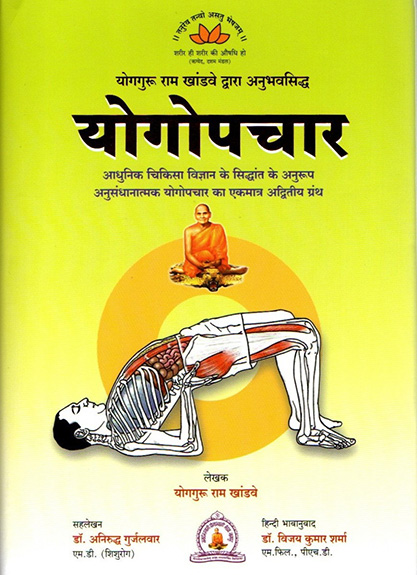
Yoga offers therapeutic benefits for many health conditions like diabetes, hypertension, arthritis, asthma, and stress by using specific postures (asanas) and breathing (pranayama) to improve blood sugar, lower blood pressure, increase flexibility, boost lung capacity, and calm the nervous system, acting as a complementary approach to conventional medicine for lifestyle disorders. Specific poses like Cobra pose for back pain, Shoulder Stand for thyroid, and Kapalbhati pranayama for heart health are often recommended, but always consult a doctor before starting yoga for a medical condition.
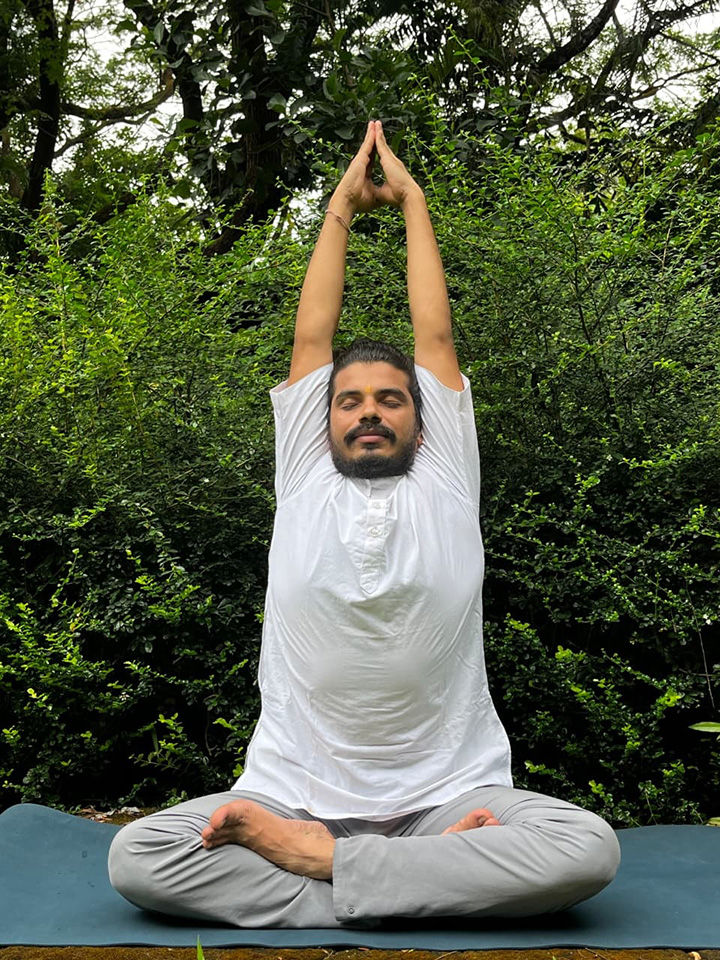

It takes commitment and practice to lose weight through yoga. Yoga helps you to be physically active, burns calories, and may help prevent weight gain. Yoga offers an approach to weight loss by combining physical postures (asanas), breathing exercises, and meditation for mental stress. Regular practice also improves metabolism, flexibility, and mindfulness, which can lead to healthier eating habits and reduced stress eating. Consistent, regular practice combined with other healthy practices like a good diet is key to seeing results.

Yoga offers a natural, effective, and holistic approach for controlling blood sugar, improving insulin sensitivity, and reducing stress. Specific poses like the Seated Forward Bend (Paschimottanasana), Cobra Pose (Bhujangasana), and Thunderbolt Pose (Vajrasana) are beneficial for stimulating the pancreas and improving overall metabolic balance. Yoga practice is useful in the management of various lifestyle diseases, including diabetes. Yoga is also known to regulate eating patterns, and its potential utility in the management of eating disorders has been advocated. It is believed that the mind-body connection that stems from yoga practice provides opportunities for self-awareness, reflection, and change.

Yoga is proved to be a best method to treat high blood pressure. Yoga can be a very beneficial therapy for controlling and lowering high blood pressure naturally. The gentle, soothing practice of yoga asanas settles both mind and body and reduces stress-a leading cause of hypertension. Yoga can help manage high blood pressure through poses like Sukhasana and Shavasana, breathing exercises like Nadi Shodhana, and relaxation techniques. Combining yoga with other lifestyle changes can improve cardiovascular health by calming the nervous system, reducing stress hormones, and improving circulation.

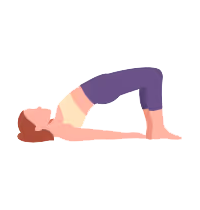
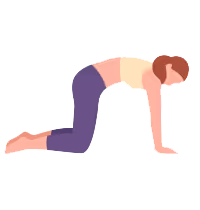
Yoga can help with stress, depression, and anxiety through specific poses, breathing techniques, and mindfulness. Recommended poses include Child's Pose (Balasana), Legs-Up-the-Wall Pose (Viparita Karani), and Bridge Pose (Setu Bandhasana) for relaxation and stress relief. Practices like Cat-Cow Pose (Marjaryasana-Bitilasana) and Bhramari Pranayama (Humming Bee Breath) help regulate breath and soothe the mind. Yoga has an effective role in reducing stress, anxiety, and depression. Thus, it can be used as complementary medicine. Yoga encourages mental and physical relaxation, which helps reduce stress and anxiety.

Yoga can help manage thyroid disorders by focusing on diet, relaxation, activity, and thought process. Yoga practice to stimulate the thyroid gland, including cat-cow stretches, surya namaskar, and inversions like halasana and sarvangasana. Yoga can serve as a beneficial complementary therapy for managing thyroid disorders by reducing stress, improving circulation to the neck, and stimulating the glands. Asanas and pranayama helps maintain proper function of the thyroid glands and prevent problems from getting worse.

Practicing Yoga regularly can reduce pain, increase flexibility, improve function and lower stress in people. People with various types of arthritis who practice yoga regularly can reduce joint pain, improve joint flexibility and function, and lower stress and tension to promote better sleep. Yoga also can help a person with arthritis build muscle strength and improve balance. Yoga poses were modified and props were used to make the practice accessible to all participants. People with arthritis may also need to use a chair, a block, a strap or other aids to help maintain balance during some poses.

Regularly practicing yoga may help individuals with asthma by reducing the severity of their symptoms. Although yoga is not a first-line treatment for asthma, it can be part of a comprehensive treatment plan. Certain yoga poses can manage symptoms by reducing stress, opening the chest, and encouraging deep breathing. Yoga exercises among asthmatic patients resulted in a decreased number of day and night attacks and use of drugs. Some yoga postures and breathing techniques may be added to your asthma treatment plan to help manage symptoms,improve lung function and improve quality of life.

Many yoga poses help stretch and strengthen the muscles in the legs, hips, core and along the spine, which support the back. Yoga releases the tension in your upper, middle and lower back. Yoga is remarkably effective at relieving lower back pain. It improves the strength and flexibility of the spine. Yoga can help relieve back pain through gentle movements and stretches in poses like Cat-Cow, Sphinx, and Downward-Facing Dog. These poses improve spinal flexibility and strength, while also helping to release tension in the muscles. For more advanced options, poses like Locust pose and Bridge pose can further strengthen the back.

Yoga can help with sciatica by stretching and strengthening the back, hips, and legs. Gentle poses like Cobra Pose (Bhujangasana), Reclining Pigeon Pose (Eka Pada Rajakapotasana), and Knees-to-Chest Pose (Apanasana) can help relieve pressure on the sciatic nerve. Other beneficial poses include seated spinal twists and hamstring stretches. Sciatica and lower back discomfort can significantly limit your comfort, mobility, and quality of life. Practicing yoga with precision and support, as demonstrated in a sequence, offers a practical way to relieve pain, create space in the lumbar spine, and ease muscular tension around the hips and pelvis.

PCOD stands for Polycystic Ovarian Disorder which is characterized by elevated androgen levels (male hormones), menstrual irregularities, and small cysts on one or both ovaries. Women with PCOD may experience weight gain, excessive hair growth, headaches, acne issues, irregular periods, or may face problems with their pregnancy. Yoga have proven to be effective in managing symptoms of PCOD. According to recent literature, yoga may help decrease testosterone levels (male hormone) and alleviate symptoms of anxiety and depression in women with PCOD. 'PCOD' stands for Polycystic Ovarian Disorder which is characterized by elevated androgen levels (male hormones), menstrual irregularities, and small cysts on one or both ovaries. Research suggests that 5% to 10% of females 18 to 44 years of age are affected by PCOD, making it the most common endocrine abnormality among women of reproductive age. Women with PCOD may experience weight gain, excessive hair growth, headaches, acne issues, irregular periods, or may face problems with their pregnancy.
All forms of exercise including yoga have proven to be effective in managing symptoms of PCOD. According to recent literature, yoga may help decrease testosterone levels (male hormone) and alleviate symptoms of anxiety and depression in women with PCOD.